


We provide specialized winterization services to safeguard your pool during the off-season, and when spring arrives, we handle the thorough opening process.

Recent Posts

Blog Image
Blog Image
Blog Image

Newsletter

Verification Tool

  • Home
  • Verification Tool
image
image
image

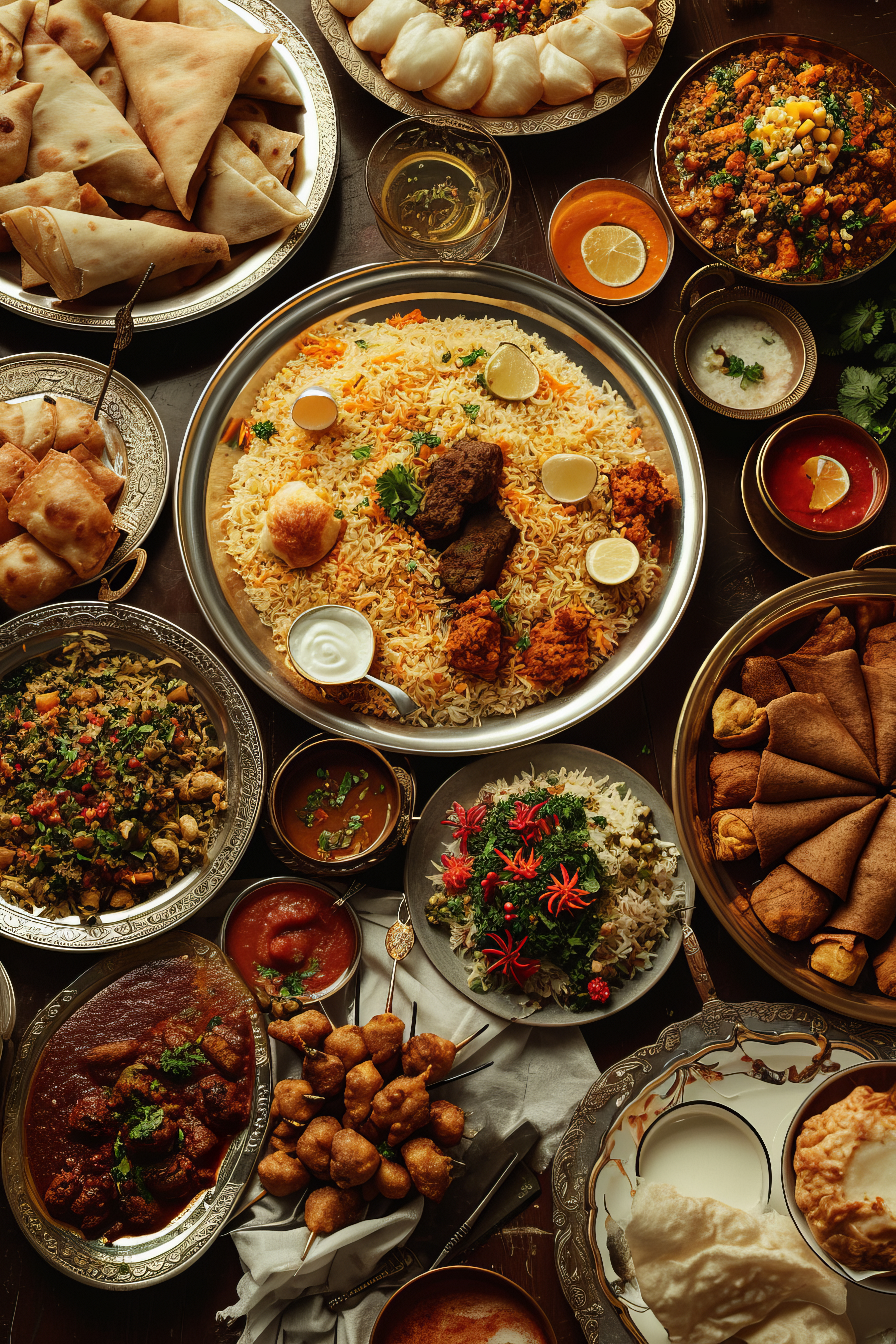
1. Food and Beverages

  • Meat & Poultry: Must be zabiha slaughtered. Non-halal methods make it haram.
  • Processed Foods: Items like nuggets or canned food may contain non-halal gelatin or enzymes.
  • Beverages: Must be free from alcohol-based preservatives or flavoring agents.
  • Confectionery: Candies and desserts often contain gelatin or alcohol-based extracts—certification ensures purity.
  • Dairy & Baked Goods: Should not include rennet, lard, or alcohol-based vanilla extracts.
  • Seafood & Plant Items: Generally halal, but processing hygiene and cross-contamination must be checked.
Food & Beverages

2. Personal Care Products

  • Cosmetics: Products like lipsticks, foundation, and eyeliner must be free from alcohol and animal-derived ingredients.
  • Perfumes: Halal-certified perfumes avoid alcohol-based content, using ethical alternatives.
  • Skin & Hair Care: Shampoos, lotions, and creams should be free from non-halal glycerin, collagen, and other animal-based additives.
  • Certification: Halal certification assures purity, transparency, and compliance with Islamic guidelines.

Halal-certified personal care ensures safety, ethical sourcing, and religious compliance—building trust among Muslim consumers.
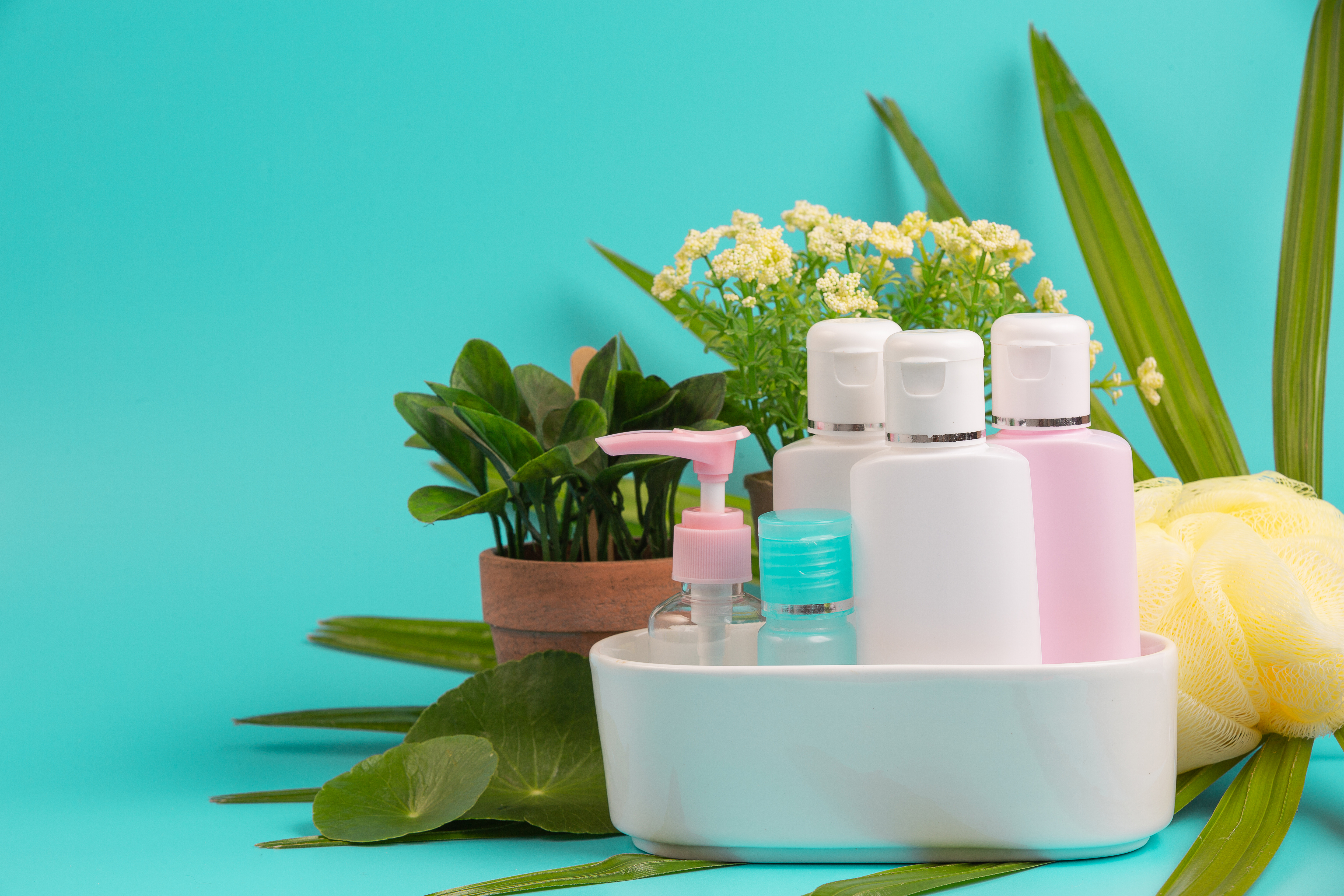
Personal Care

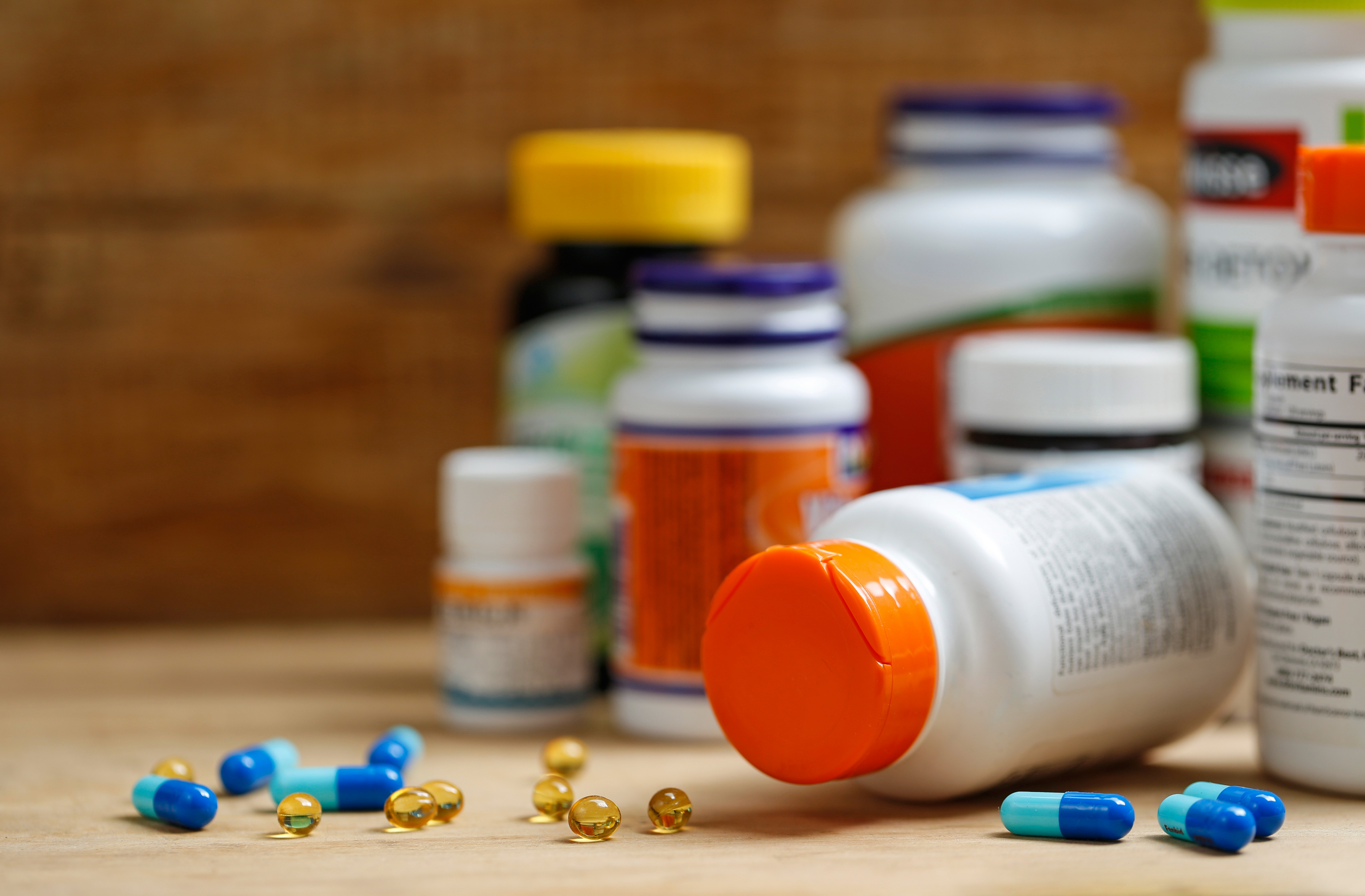
3. Pharmaceuticals & Supplements

  • Halal Capsules: Must avoid gelatin derived from pigs or non-halal sources.
  • Alcohol-Free Formulas: Medicines and syrups should be free from ethanol or haram solvents.
  • Supplements: Multivitamins and proteins need halal compliance in ingredients and processing.
  • Trust Factor: Certification gives confidence to Muslim patients about product purity and compliance.
Pharmaceuticals

4. Cleaning Products

For households following halal practices, choosing halal-certified cleaning products ensures that no non-halal substances come into contact with food preparation areas. It’s important to avoid products containing alcohol, animal fats, or harmful chemicals derived from non-halal sources.
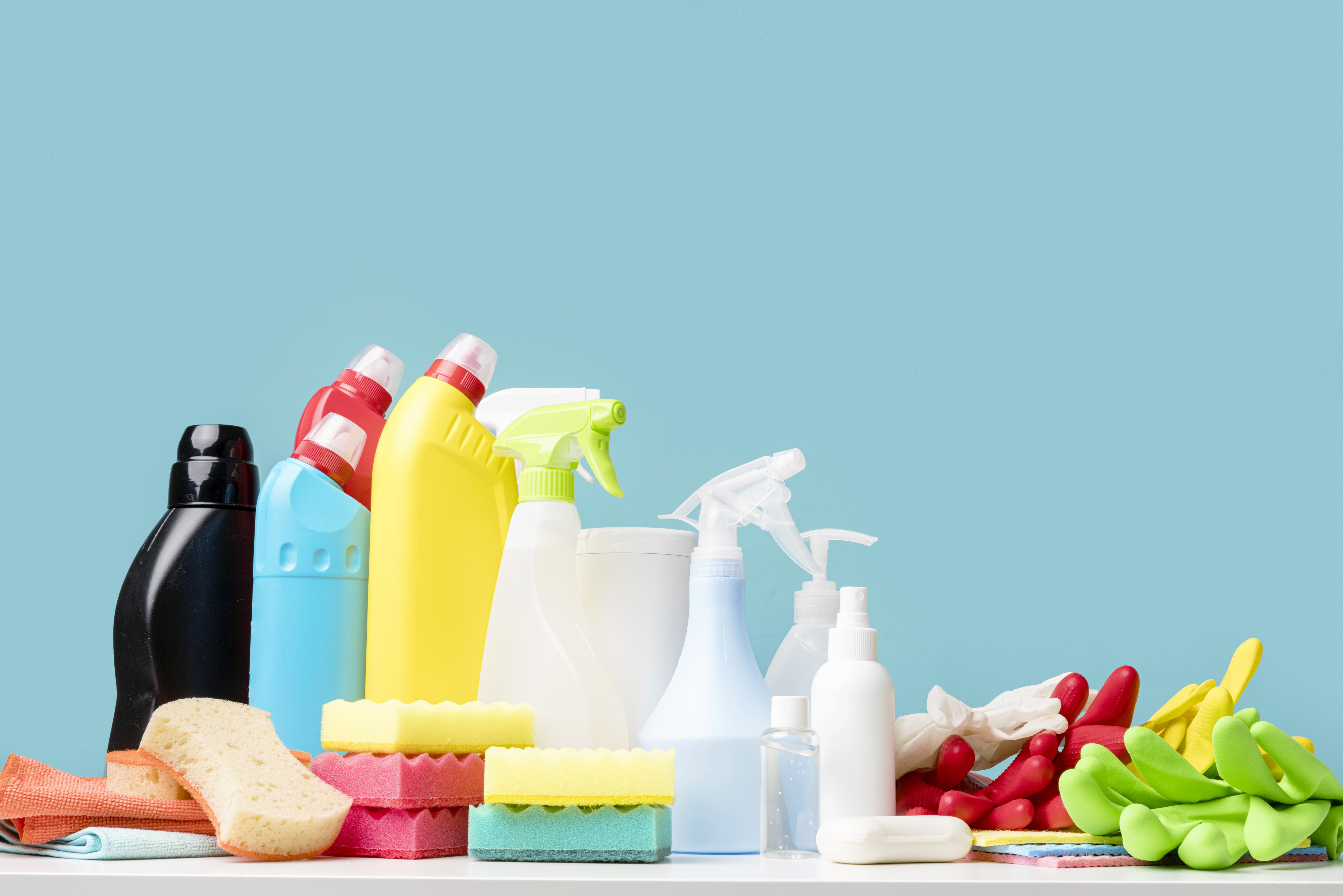
  • Halal cleaning products avoid alcohol, animal fats, and chemicals from non-halal sources.
  • Detergents, dish soaps, and cleaners should be safe for use in halal kitchens.
  • Look for eco-friendly, plant-based options that align with halal standards.
  • Check for halal certification on cleaning products to ensure they meet Islamic guidelines.
Cleaning Products

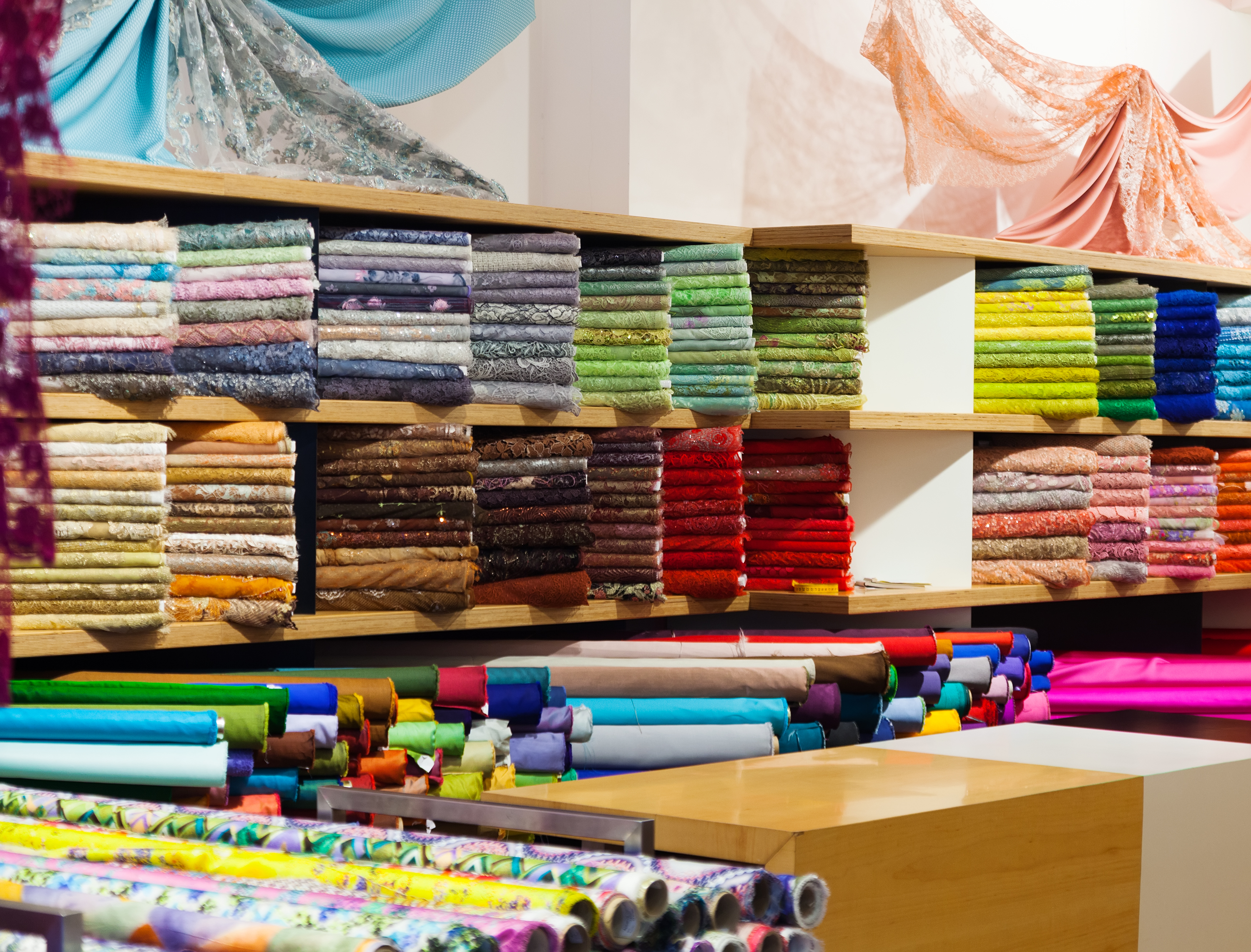
5. Clothing and Textiles

  • Materials like leather, wool, and silk must be sourced from animals slaughtered using halal methods or plant-based alternatives.
  • Clothing items such as hijabs, abayas, prayer mats, and even shoes may require halal compliance in their materials and dyes.
  • Halal certification ensures the garments are free from impure substances and produced with ethical manufacturing practices.
Clothing

6. Food Additives and Ingredients

Food additives are substances used in food to enhance its flavor, appearance, texture, or preservation. It's important to ensure that all additives and ingredients used are halal-certified, especially for Muslim consumers. Below are some key points to consider:
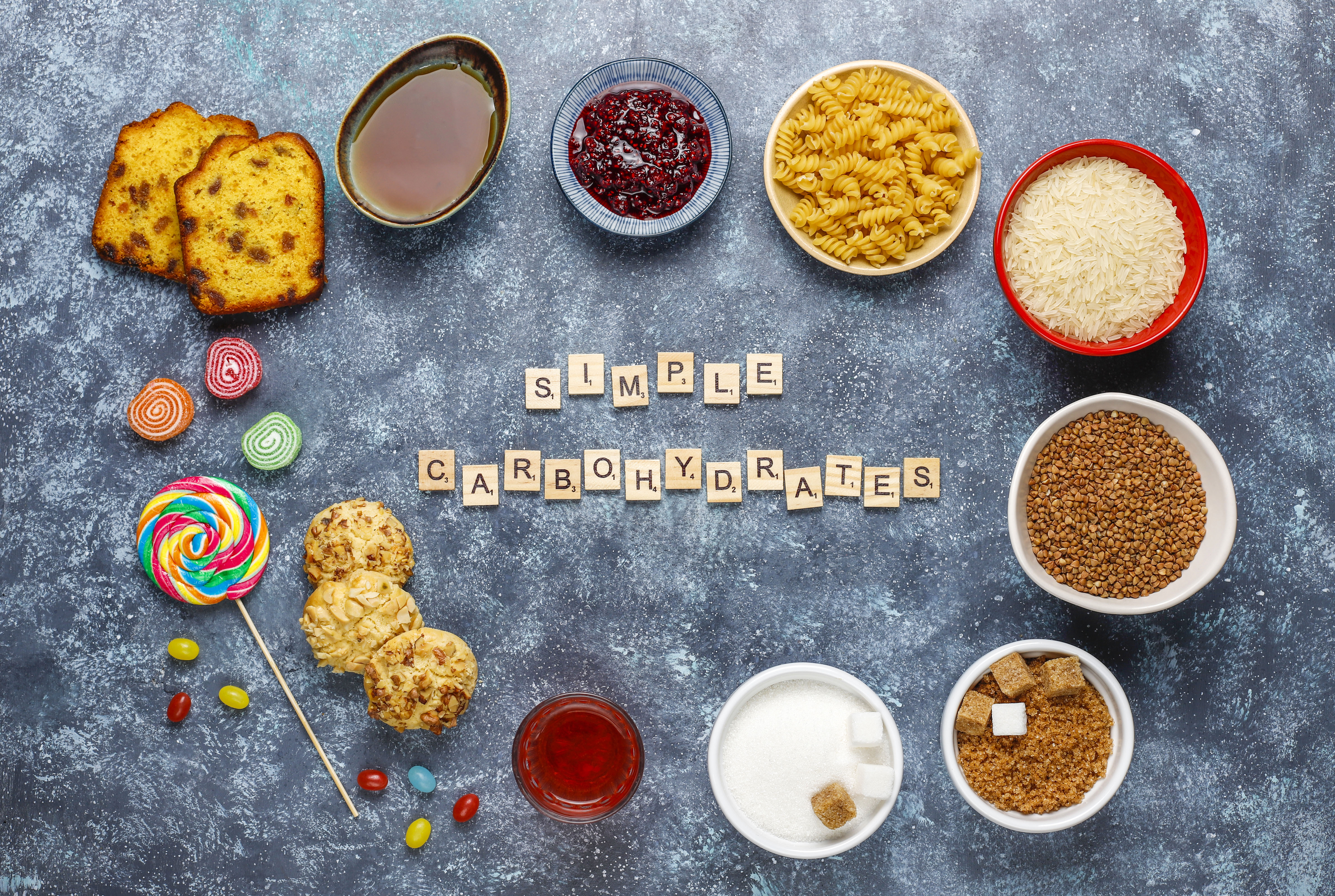
  • Gelatin, enzymes, colorings must come from halal-certified sources.
  • Some artificial colorings may be derived from non-halal sources, such as animal-based or alcohol-based products.
  • Ensure that emulsifiers and stabilizers are sourced from plant-based or halal animal-derived ingredients.
  • Check the origin of flavorings, preservatives, and thickeners to ensure they meet halal standards.
  • In some cases, ingredients like rennet (used in cheese production) should be halal-certified if derived from animal sources.
Additives

7. Halal Tourism and Services

Halal tourism refers to travel and services that comply with Islamic principles, ensuring that Muslim travelers can enjoy their experiences in a way that aligns with their religious beliefs. Here are some key aspects to consider when it comes to halal tourism:

  • Hotels, airlines, and resorts must follow Islamic standards, ensuring the availability of halal food, prayer facilities, and privacy for families.
  • Airlines should provide halal meals, segregated seating, and privacy for families, especially for long-haul flights.
  • Resorts and hotels should offer alcohol-free environments and ensure that entertainment options are in line with Islamic values.
  • Tour operators should provide tailored packages that offer activities like visiting Islamic heritage sites, halal-friendly shopping, and opportunities for spiritual growth.
  • Islamic-friendly spas and wellness centers should cater to Muslim needs, such as female-only services or modest swimwear options in pools.
  • Muslim-friendly travel agencies often provide packages that include religious facilities, such as mosques and prayer areas at destinations.
Halal Tourism

8. Pet Foods

When it comes to pet food, especially animal-based products, it’s important to ensure that the food is halal-compliant, both for ethical and religious reasons. Here are some important considerations:
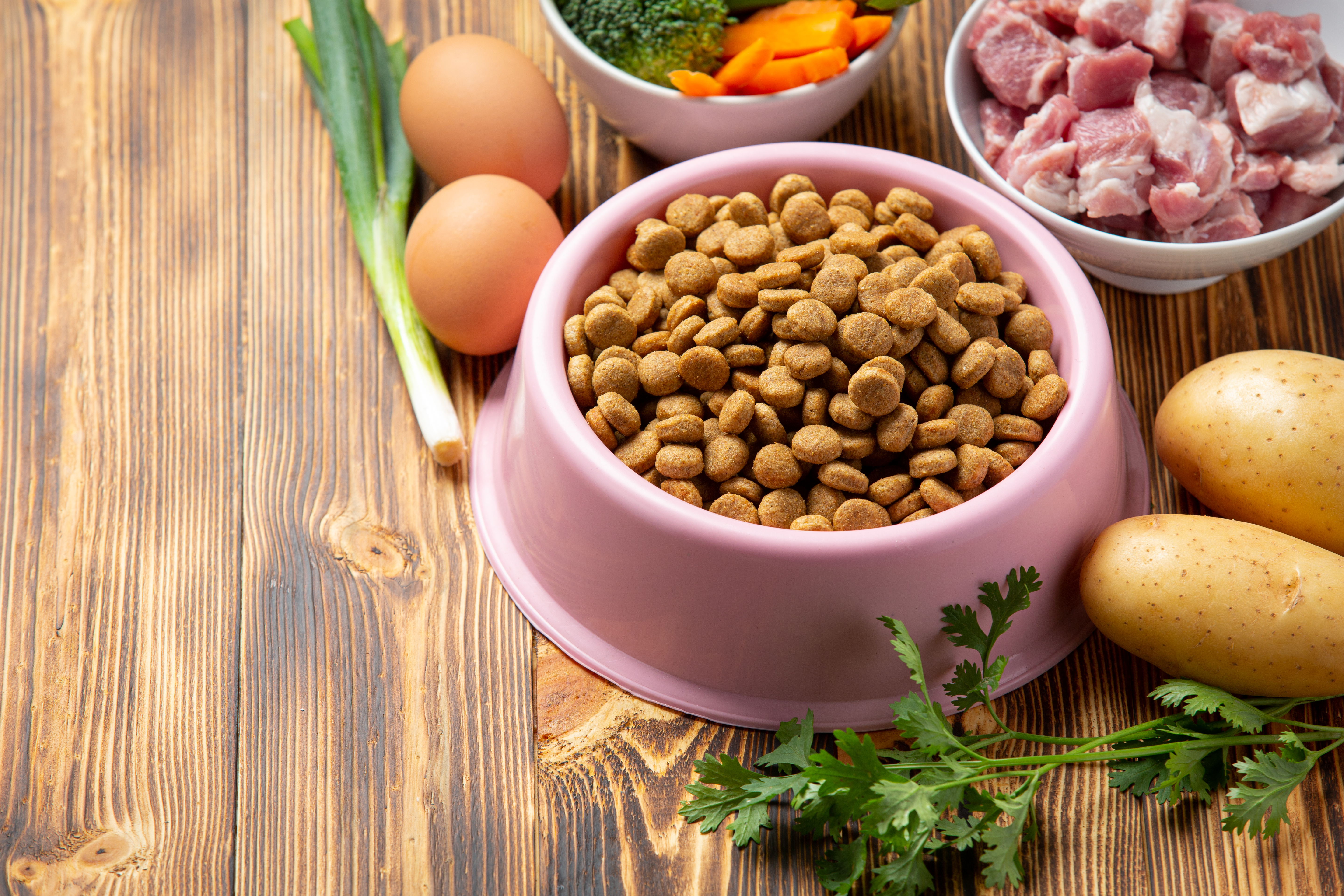
  • Animal-based pet food should be halal-compliant, ensuring that the animals are slaughtered in accordance with Islamic guidelines and are ethically sourced.
  • Ingredients such as gelatin, fats, and enzymes used in pet foods must come from halal-certified sources.
  • For Muslim pet owners, it's important to check that the pet food doesn't contain any non-halal substances such as alcohol or pork-derived ingredients.
  • Halal pet food brands are increasingly available in the market, providing ethical and permissible choices for Muslim pet owners.
  • Pet food manufacturers should adhere to hygiene and animal welfare standards in line with Islamic principles, ensuring that the food is free from contamination and cruelty.
Pet Food

9. Packaged and Pre-Packaged Foods

Packaged and pre-packaged foods are convenient options, but it’s crucial to ensure that these products adhere to halal standards. Here are some considerations for halal certification in these foods:
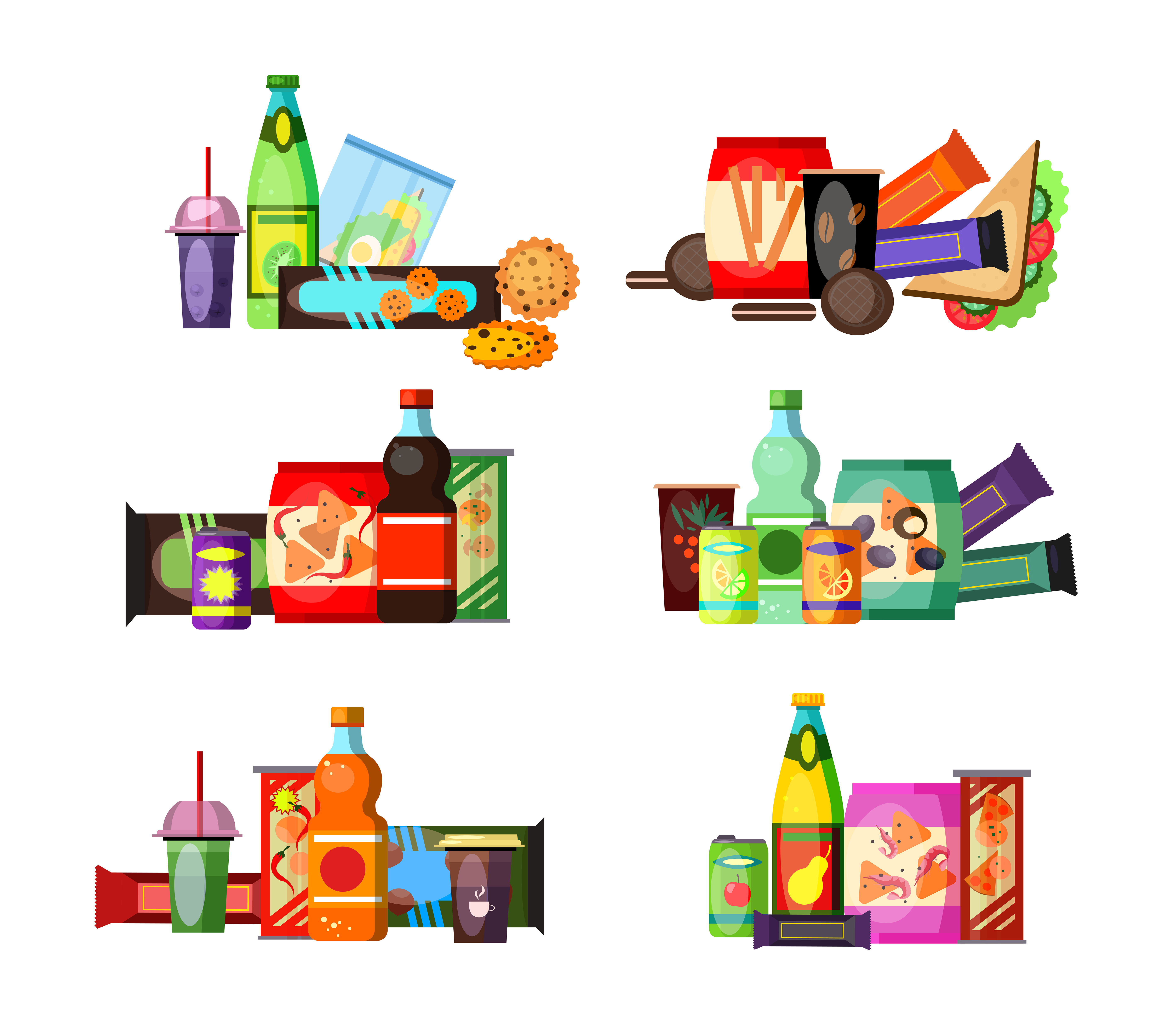
  • Frozen foods like pizza, pasta, and ready-meals must be halal certified to ensure that all ingredients, including meats, sauces, and additives, comply with Islamic dietary laws.
  • Always check for a halal certification label on pre-packaged items, especially processed snacks, ready-to-eat meals, and frozen products.
  • Be aware of hidden non-halal ingredients like gelatin, alcohol-based preservatives, or non-halal emulsifiers used in processed foods.
  • Packaged beverages, sauces, and spreads may also contain alcohol or animal-based ingredients; ensure these are halal certified.
  • Read the labels for detailed ingredient lists to verify that they do not contain prohibited substances such as pork derivatives or Haram (forbidden) ingredients.
Packaged Food

img

Best Lawyer For You
Free Consultation

Schedule A Free Halal Certification Consultation

Our team of dedicated Halal certification experts is committed to understanding your needs and ensuring your business meets the highest halal standards. Let us guide you on your journey towards quality, integrity, and global recognition.

01 Schedule Icon

Book Your Consultation

Select a convenient date and time that works for you. Our experts are ready to assist you in kickstarting your certification journey.

02 Meeting Icon

Discuss Certification Needs

During the consultation, you'll have the opportunity to discuss your product and service requirements, and learn how our process ensures Halal compliance.

03 Plan Icon

Kickstart Your Certification

Receive a tailored roadmap designed to meet global Halal standards, ensuring your business is fully prepared for certification success.

Brand Logo
Brand Logo
Brand Logo
Brand Logo
Brand Logo
Brand Logo
Brand Logo
Brand Logo
Brand Logo
Brand Logo